
Systemic Lupus Erythematosus (SLE) Treatment in Basaveshwaranagar, Bangalore
Systemic lupus erythematosus (SLE), commonly known as lupus, is a chronic autoimmune disease in which the immune system mistakenly attacks healthy tissues. It can affect multiple parts of the body, including the joints, skin, kidneys, heart, lungs, blood cells and nervous system. Symptoms may vary from person to person and can occur in episodes called flares, followed by periods when symptoms improve.

Overview
If you are looking for SLE treatment in Basaveshwaranagar, Divisha Arthritis and Medical Center provides rheumatology consultation for the assessment and management of lupus and other autoimmune rheumatic conditions. A rheumatologist evaluates your symptoms, medical history and investigation results to understand the disease and plan appropriate care.
Common Symptoms of Lupus
Lupus symptoms can range from mild to severe and may affect different organs over time. Recognising persistent or recurring symptoms can help patients seek appropriate medical evaluation.
Common symptoms include:
Joint pain, swelling and morning stiffness
Persistent fatigue and weakness
Skin rashes, including a butterfly-shaped rash across the cheeks and nose.
Sensitivity to sunlight
Recurrent mouth or nasal ulcers
Hair loss
Unexplained fever
Muscle pain
Swelling around the eyes or in the legs
Chest pain during deep breathing
Changes in urine or other signs of possible kidney involvement
Fingers or toes becoming pale, blue or red in response to cold
These symptoms can occur in several other conditions. Their presence alone does not confirm lupus, so an appropriate medical assessment is important.
What Causes Systemic Lupus Erythematosus?
The exact cause of systemic lupus erythematosus is not fully understood. Research suggests that a combination of genetic, hormonal, immune system and environmental factors may contribute to its development. Possible triggers include exposure to sunlight, certain infections and some medications.
Lupus is not contagious, and having a family history of autoimmune disease may increase susceptibility. However, not everyone with a genetic predisposition develops lupus. The condition can affect people of different ages, although it is more frequently diagnosed in women during their reproductive years.
Lupus Symptoms and Diagnosis
Lupus can be challenging to diagnose because its symptoms often resemble those of other autoimmune and inflammatory diseases. A lupus specialist in Bangalore may review your medical history, examine your symptoms and recommend investigations based on the clinical findings.
Diagnostic evaluation may include:
- Antinuclear antibody (ANA) testing: ANA is a sensitive screening test for lupus, but it is not specific to the condition. A positive result can also occur in people without lupus or with other conditions.
- Anti-double-stranded DNA (anti-dsDNA) antibodies: These antibodies may support the diagnosis and can sometimes help assess disease activity.
- Complement levels: Complement proteins C3 and C4 may be measured because reduced levels can be associated with active lupus.
- Complete blood count (CBC): This helps identify abnormalities involving red blood cells, white blood cells and platelets.
- Kidney function tests: Blood tests, including serum creatinine, help assess kidney function.
- Urine analysis: This may identify blood, protein or other abnormalities that suggest possible kidney involvement.
- Urine protein assessment: Additional testing may be recommended to measure protein loss in urine and evaluate possible lupus nephritis.
Additional investigations, including imaging or kidney biopsy, may be recommended when clinically indicated.
A positive ANA result alone does not establish a diagnosis of lupus. ANA is sensitive but not specific, and no single blood test or investigation confirms SLE in every patient. Diagnosis requires a combination of clinical findings, medical history and relevant laboratory and investigation results.
SLE Treatment
There is currently no definitive cure for systemic lupus erythematosus, but appropriate treatment can help control inflammation, manage symptoms, reduce disease flares and protect affected organs. Treatment depends on the severity of the disease, the organs involved and the patient’s overall health.
At Divisha Arthritis and Medical Center, the approach to lupus care involves specialist assessment and an individualised management plan.
Treatment options may include:
1. Antimalarial Medicines
Hydroxychloroquine is commonly used for many patients with lupus, when appropriate. It may help control disease activity, manage symptoms and reduce the frequency of flares. Regular eye examinations are recommended to monitor for potential retinal side effects.
2. Anti-inflammatory Medicines
Selected medicines may help manage joint pain and inflammation, depending on kidney function and other health considerations. The choice of medication should be based on individual clinical requirements.
3. Corticosteroids
Corticosteroids may be prescribed to control significant inflammation and manage active disease. The dose and duration depend on disease activity, affected organs and treatment response. Doctors generally aim to use the lowest effective dose for the shortest appropriate duration.
4. Immunosuppressive Medicines
Immunosuppressive medicines may be considered when lupus affects important organs, such as the kidneys, or requires additional disease control. The selection depends on the type and severity of organ involvement.
5. Targeted and Biologic Therapies
Certain biologic medicines may be appropriate for selected patients whose disease requires additional treatment or does not respond adequately to conventional therapy. Treatment decisions require specialist evaluation and monitoring.
6. Organ-Specific Treatment
Lupus treatment is guided by the organs affected and the severity of disease. Organ-threatening complications, including significant kidney, neurological, heart or lung involvement, may require more intensive treatment with immunosuppressive or biologic therapies under specialist supervision.
Patients with lupus nephritis may require specific treatment strategies based on kidney biopsy findings, kidney function and the degree of inflammation.
7. Lifestyle Support and Pregnancy Planning
Patients may also benefit from sun protection, regular physical activity suited to their condition, adequate rest, a balanced diet and routine medical monitoring.
People with lupus who are considering pregnancy should discuss disease activity, medication safety and pregnancy planning with their rheumatology and obstetric teams before conception. Pregnancy is safest when disease is well controlled. Certain lupus medications may need to be adjusted before or during pregnancy under medical supervision.
8. Regular Monitoring and Follow-Up
Regular monitoring is an important part of systemic lupus erythematosus management. It helps assess disease activity, evaluate treatment response, identify medication-related side effects and detect possible organ complications.
Monitoring is guided by the organs involved and the individual’s disease activity. Depending on clinical requirements, investigations may include:
- Complete blood count: To monitor red blood cells, white blood cells and platelet levels.
- Kidney function tests: To assess kidney health and identify changes in kidney function.
- Urinalysis: To check for blood, protein and other abnormalities that may indicate kidney involvement.
- Urine protein assessment: To monitor protein levels in urine and evaluate possible lupus nephritis.
- Complement levels: C3 and C4 measurements may help assess disease activity in selected patients.
- Anti-dsDNA antibodies: These may be monitored when clinically appropriate to evaluate changes in lupus activity.
- Additional organ assessments: Further investigations may be recommended depending on symptoms, examination findings and previous results.
The frequency of monitoring varies according to disease activity, organ involvement, medication use and individual health requirements.
Patients should not start, stop or change prescribed lupus medication without consulting their treating doctor.
If you are searching for a lupus doctor in Bangalore or a systemic lupus erythematosus specialist, consultation with a rheumatologist can help establish an accurate diagnosis and determine a suitable treatment and monitoring plan.
Frequently Asked Questions
Common questions about Systemic Lupus Erythematosus (SLE).
What is systemic lupus erythematosus (SLE)?
Systemic lupus erythematosus is a chronic autoimmune disease in which the immune system attacks healthy tissues and causes inflammation. It can affect the joints, skin, kidneys and other organs.
What are the early symptoms of lupus?
Early symptoms may include fatigue, joint pain, morning stiffness, skin rashes, hair loss, mouth ulcers and unexplained fever. Symptoms differ between individuals and require medical evaluation.
What causes lupus?
The exact cause is unknown. Genetic susceptibility, hormonal influences, immune system changes and environmental triggers may contribute to the development of lupus.
Is systemic lupus erythematosus curable?
There is currently no definitive cure for SLE. However, appropriate treatment and regular monitoring can help control disease activity, reduce flares and limit organ damage.
Which doctor should I consult for lupus?
A rheumatologist is a specialist in autoimmune and inflammatory diseases, including lupus. Depending on the organs affected, other specialists may also be involved in care.
How is lupus diagnosed?
Lupus diagnosis involves a review of symptoms and medical history, a physical examination and selected blood and urine tests. ANA testing is sensitive but not specific to lupus. A positive ANA result alone does not confirm the condition, and no single test can establish the diagnosis in every patient. Clinical findings and additional investigations are considered together.
What treatment is available for lupus?
Treatment may include hydroxychloroquine, corticosteroids, immunosuppressive medicines or targeted therapies, depending on disease severity and organ involvement. Medication must be selected and monitored by a qualified doctor.
Can lupus affect the kidneys?
Yes. Lupus can cause inflammation in the kidneys, a complication known as lupus nephritis. Urine tests, blood tests and additional investigations, including kidney biopsy when indicated, may be needed to detect and assess kidney involvement.
Can people with lupus lead an active life?
Many people with lupus can maintain daily activities with appropriate treatment and monitoring. Individual outcomes vary, and activity levels should be adapted to symptoms, fatigue and any organ involvement.
Is pregnancy possible for women with lupus?
Many women with lupus can have successful pregnancies with appropriate planning and medical supervision. Pregnancy is generally safest when the disease has been well controlled for an appropriate period. Patients should discuss disease activity and medication safety with their rheumatologist and obstetric team before conception.
Where can I consult a lupus specialist in Basaveshwaranagar, Bangalore?
You can contact Divisha Arthritis and Medical Center in Basaveshwaranagar, Bengaluru, for rheumatology consultation regarding lupus assessment and management. Call 9916770444 to enquire about appointments.
Why Consult Divisha Arthritis and Medical Center?
Divisha Arthritis and Medical Center is located in Basaveshwaranagar, Bengaluru, and offers rheumatology consultation for lupus and other autoimmune rheumatic conditions.
Patients seeking evaluation for persistent joint symptoms, skin changes or possible autoimmune-related complications can enquire about specialist consultation and appropriate investigations.
If you are looking for lupus treatment doctors in Bangalore or a systemic lupus erythematosus hospital in Bangalore, a rheumatology consultation can help you understand your condition and the available management options.
Experience exceptional healthcare at Divisha Arthritis and Medical Center. Our experienced medical team and modern facilities focus on providing personalized care and advanced treatment approaches. Take the first step towards better health and well-being. Book your appointment today.
Divisha Arthritis and Medical Center
- 500/A, 1st G Cross, 8th Main, 4th Block, 3rd Stage, Basaveshwaranagar, Bengaluru 560079
- Mon–Sat: 9 am – 6 pm, Sunday: Closed
- 99167 70444
- divisha.center@gmail.com
Related Conditions

Rheumatoid Arthritis
Rheumatoid arthritis (RA) is a chronic autoimmune condition that causes inflammation in the joints.

Scleroderma (Systemic Sclerosis)
Scleroderma is a term used to describe a group of conditions characterised by skin thickening and fibrosis (the formation of excess connective tissue).
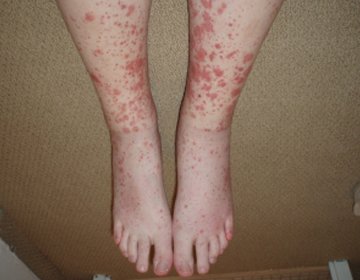
Vasculitis
Vasculitis is a group of conditions characterised by inflammation of blood vessels.