
Vasculitis: Causes, Symptoms, Diagnosis and Treatment in Bangalore
Vasculitis is a group of conditions characterised by inflammation of blood vessels. This inflammation can cause blood vessel walls to thicken, weaken, narrow or become damaged, potentially reducing blood flow to different parts of the body. Depending on the blood vessels affected, vasculitis may involve the skin, joints, kidneys, lungs, nerves, eyes or other organs.

Overview
Some forms of vasculitis are mild, while others can cause serious complications if not recognised and treated promptly. The symptoms and severity vary according to the type of vasculitis, the size of the affected blood vessels and the organs involved.
At Divisha Arthritis and Medical Center, individuals experiencing unexplained skin rashes, persistent fever, joint pain, numbness or other symptoms that may indicate an inflammatory or autoimmune condition can enquire about medical evaluation. Consulting a qualified vasculitis specialist in Bangalore can help patients understand their symptoms and explore appropriate diagnostic and treatment options.
Classification of Vasculitis
Vasculitis is commonly classified according to the size of the blood vessels predominantly affected. This classification helps clinicians understand the possible organs involved and guide further investigations.
1. Large-Vessel Vasculitis
Large-vessel vasculitis affects major arteries, including the aorta and its branches. Examples include:
- Giant cell arteritis: Primarily affects arteries in the head, particularly the temporal arteries, and may cause headaches, scalp tenderness, jaw pain while chewing and visual symptoms.
- Takayasu arteritis: Affects the aorta and its major branches and may cause reduced blood flow to the arms and other parts of the body.
2. Medium-Vessel Vasculitis
Medium-vessel vasculitis mainly affects medium-sized arteries that supply blood to organs and tissues.
- Polyarteritis nodosa (PAN): Can affect arteries supplying the skin, nerves, kidneys and digestive system, potentially causing organ-related complications.
3. Small-Vessel Vasculitis
Small-vessel vasculitis affects smaller blood vessels, including capillaries, venules and arterioles.
Examples include:
- ANCA-associated vasculitis: Includes granulomatosis with polyangiitis, microscopic polyangiitis and eosinophilic granulomatosis with polyangiitis.
- Immune-complex vasculitis: Includes conditions such as IgA vasculitis and cryoglobulinaemic vasculitis.
Other classifications include variable-vessel vasculitis, which can affect vessels of different sizes, and single-organ vasculitis, which is limited to a particular organ.
Symptoms of Vasculitis
Vasculitis symptoms can range from general signs of inflammation to problems affecting specific organs. Some symptoms develop gradually, while others may appear suddenly.
Common symptoms include:
Skin changes
Red or purple spots, rashes, raised lesions or skin ulcers.
Joint pain and stiffness
Discomfort, swelling or stiffness affecting one or more joints.
Persistent fever and fatigue
Unexplained fever, weakness, tiredness or a general feeling of being unwell.
Muscle pain
Muscle aches or tenderness that may occur alongside other inflammatory symptoms.
Numbness or tingling
Nerve involvement may cause altered sensation, weakness or pain in the hands and feet.
Breathing difficulties
Inflammation affecting the lungs may cause breathlessness, persistent coughing or coughing up blood.
Kidney-related symptoms
Blood or protein in the urine, swelling or changes in kidney function may occur.
Eye symptoms
Redness, pain, blurred vision or other visual changes may indicate eye involvement.
Digestive symptoms
Abdominal pain or other gastrointestinal problems may occur in some forms of vasculitis.
Headaches
Certain types can cause new headaches, scalp tenderness or jaw pain while chewing.
Symptoms depend on which blood vessels and organs are affected. Visual changes, coughing up blood, severe breathlessness or rapidly worsening neurological symptoms require urgent medical assessment. Sudden vision loss or significant visual disturbance should be treated as a medical emergency.
Causes of Vasculitis
The causes of vasculitis vary depending on the specific type. In many cases, the exact cause remains unknown. Several factors may contribute to the development of the condition.
- Immune system abnormalities: The immune system may mistakenly attack blood vessels, causing inflammation and tissue damage.
- Autoimmune conditions: Vasculitis may occur alongside conditions such as systemic lupus erythematosus and rheumatoid arthritis.
- Infections: Certain infections may trigger some forms of vasculitis or contribute to inflammation of blood vessels.
- Medication reactions: Some medicines can cause drug-associated vasculitis in susceptible individuals.
- Genetic and environmental factors: A combination of individual susceptibility and environmental influences may contribute to certain types of vasculitis.
- Underlying medical conditions: Some forms of vasculitis are associated with other inflammatory diseases or, less commonly, certain blood disorders and cancers.
Vasculitis is not a single disease. Identifying the specific type and possible underlying cause is important because treatment differs between conditions.
Vasculitis Symptoms and Diagnosis
Accurate vasculitis symptoms and diagnosis require a detailed clinical evaluation because vasculitis can resemble infections, other autoimmune diseases and several inflammatory conditions.
A doctor may review the patient’s symptoms, medical history, medication use and physical examination findings. Investigations are selected according to the suspected type of vasculitis and the organs potentially affected.
Common diagnostic approaches include:
- Blood tests: Complete blood count, ESR, CRP, kidney function tests and other selected investigations may help assess inflammation and organ function.
- Autoimmune blood tests: ANCA, ANA, complement levels and other selected antibody tests may help investigate particular types of vasculitis. ANCA testing is useful in certain conditions but is not positive in every case and cannot independently establish the diagnosis.
- Urine tests: These can help identify blood or protein that may indicate kidney involvement.
- Infection screening: Depending on the clinical presentation, tests for relevant infections may be required to identify infection-associated vasculitis or conditions that mimic it.
- Imaging investigations: CT, MRI, ultrasound or angiography may be recommended to examine affected blood vessels and assess possible organ involvement.
- Tissue biopsy: A sample of affected skin, kidney or another tissue may be examined when clinically appropriate to help establish the diagnosis.
No single blood test can diagnose every type of vasculitis. Results must be interpreted alongside symptoms, examination findings and other investigations. Early assessment can be important to identify organ involvement and guide treatment.
Vasculitis Treatment in Bangalore
The aim of vasculitis treatment in Bangalore is to control inflammation, protect affected organs, reduce symptoms and prevent further damage. Treatment depends on the specific type of vasculitis, its severity, the organs involved and any underlying cause.
Common treatment approaches include:
1. Corticosteroids (Glucocorticoids)
These medicines may be used to reduce blood vessel inflammation, depending on the type and severity of the condition. The dose and duration are determined according to the individual’s clinical needs.
2. Immunosuppressive Medicines
Medicines such as methotrexate, azathioprine or cyclophosphamide may be considered for selected forms of vasculitis. They help control abnormal immune activity and may be used to manage more significant inflammation.
3. Biologic and Targeted Therapies
Targeted treatments, such as rituximab, may be appropriate for certain types of systemic vasculitis. The choice of treatment depends on the disease subtype, severity, previous treatment response and individual health considerations.
4. Treatment of Underlying Causes
When vasculitis is associated with an infection or medication, management may include treating the infection or reviewing the suspected medicine under medical supervision. Infection-related conditions and drug-related reactions must be considered before starting immunosuppressive treatment because these conditions can sometimes resemble primary vasculitis.
5. Organ-Specific Care
Kidney, lung, nerve, eye or other complications may require additional investigations and treatment from the relevant specialists. Coordinated care may be important when multiple organs are involved.
6. Regular Monitoring
Clinical reviews, blood and urine tests, imaging and other investigations may be needed to assess disease activity, treatment response, organ function and medication-related side effects.
Some forms of vasculitis require urgent treatment, while others may be managed with less intensive therapy and regular monitoring. Medicines should only be started, stopped or adjusted under the guidance of a qualified healthcare professional.
Frequently Asked Questions
Common questions about Vasculitis.
What is vasculitis?
Vasculitis is a group of conditions that cause inflammation of blood vessels. This inflammation can narrow or damage the vessels, reducing blood flow to organs and tissues. The effects depend on the type and severity of the condition.
What are the early symptoms of vasculitis?
Early symptoms may include unexplained fever, fatigue, joint pain, muscle aches, skin rashes, and weight loss. Some patients may also experience numbness, breathing difficulties, or changes in kidney function.
What causes vasculitis?
The exact cause is often unknown. Possible triggers include immune system abnormalities, certain infections, reactions to medications, and other autoimmune conditions.
How is vasculitis diagnosed?
Diagnosis may involve a physical examination, blood tests, urine tests, imaging studies, and a biopsy of affected tissue when appropriate. Tests are selected according to the symptoms and suspected type of vasculitis.
Is vasculitis an autoimmune disease?
Many forms of vasculitis involve abnormal immune system activity and are considered autoimmune or immune-mediated conditions. Some forms occur in association with infections, medications, or other underlying diseases.
Is vasculitis curable?
The outcome depends on the type of vasculitis and the organs affected. Some forms resolve, while others require long-term treatment. Many types can be controlled, and some patients achieve remission with appropriate care.
Which doctor should I consult for vasculitis in Bangalore?
A qualified rheumatologist with experience in systemic vasculitis can assess suspected autoimmune blood vessel inflammation. Depending on the organs involved, additional care from kidney, lung, skin, nerve, or eye specialists may be necessary.
What treatments are available for vasculitis?
Treatment may include corticosteroids, immunosuppressive medicines, or biologic therapies, depending on the specific condition and its severity. Treating an underlying infection or medication-related cause may also be necessary.
Can vasculitis affect internal organs?
Yes. Vasculitis may affect the kidneys, lungs, heart, digestive system, nerves, and eyes. Some organ complications may develop without obvious symptoms, making appropriate monitoring important.
When should I consult a vasculitis specialist in Bangalore?
Seek medical assessment for persistent unexplained rashes, fever, joint pain, numbness, or other symptoms suggesting blood vessel inflammation. Sudden vision loss, coughing up blood, severe breathlessness, or new neurological weakness requires urgent medical attention.
Can vasculitis affect the kidneys, lungs, nerves or eyes?
Yes, depending on the subtype.
Finding a Vasculitis Specialist in Bangalore
People experiencing unexplained inflammatory symptoms or suspected blood vessel inflammation may benefit from an evaluation by a qualified rheumatologist or another specialist experienced in vasculitis.
A vasculitis doctor in Bangalore can assess the symptoms, recommend appropriate investigations, and help determine whether the condition is autoimmune, infection-related, medication-associated, or due to another cause.
When comparing vasculitis hospitals in Bangalore, patients may consider the availability of specialist consultations, diagnostic testing, organ-specific assessments, and coordinated follow-up care.
At Divisha Arthritis and Medical Center, patients can enquire about evaluation for suspected vasculitis and other autoimmune conditions. A systemic vasculitis specialist or autoimmune vasculitis specialist can help assess the condition and discuss an appropriate management plan based on the patient’s clinical findings and individual needs.
Experience exceptional healthcare at Divisha Arthritis and Medical Center. Our experienced medical team and modern facilities focus on providing personalized care and advanced treatment approaches. Take the first step towards better health and well-being. Book your appointment today.
Divisha Arthritis and Medical Center
- 500/A, 1st G Cross, 8th Main, 4th Block, 3rd Stage, Basaveshwaranagar, Bengaluru 560079
- Mon–Sat: 9 am – 6 pm, Sunday: Closed
- 99167 70444
- divisha.center@gmail.com
Related Conditions

Systemic Lupus Erythematosus (SLE)
Systemic lupus erythematosus (SLE), commonly known as lupus, is a chronic autoimmune disease in which the immune system mistakenly attacks healthy tissues.

Scleroderma (Systemic Sclerosis)
Scleroderma is a term used to describe a group of conditions characterised by skin thickening and fibrosis (the formation of excess connective tissue).
Idiopathic Inflammatory Myopathies
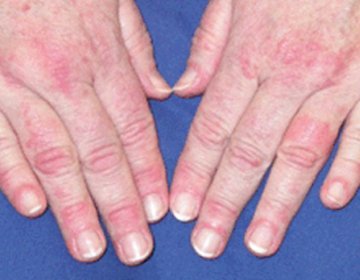
Idiopathic Inflammatory Myopathies (IIMs) are a group of uncommon autoimmune and inflammatory muscle diseases that cause inflammation and damage to skeletal muscles.