
Idiopathic Inflammatory Myopathies: Types, Symptoms, Diagnosis and Treatment
Idiopathic Inflammatory Myopathies (IIMs) are a group of uncommon autoimmune and inflammatory muscle diseases that cause inflammation and damage to skeletal muscles. These conditions can lead to muscle weakness, reduced physical strength and difficulty performing everyday activities. In some individuals, inflammatory muscle diseases may also affect the skin, lungs, joints, heart and other organs.
Overview
The term Idiopathic Inflammatory Myopathies refers to several distinct conditions, including dermatomyositis, antisynthetase syndrome, immune-mediated necrotising myopathy, inclusion body myositis, overlap myositis and polymyositis. Each type has different clinical features, patterns of muscle involvement and treatment considerations.
Recognising the specific type of inflammatory myopathy is important because symptoms, disease progression and treatment approaches can vary significantly between individuals.
At Divisha Arthritis and Medical Center, patients experiencing persistent muscle weakness, unexplained muscle inflammation or symptoms associated with autoimmune muscle diseases can enquire about rheumatology consultation. Evaluation by an Idiopathic Inflammatory Myopathies specialist can help identify the underlying condition and guide appropriate investigations and management.
Types of Idiopathic Inflammatory Myopathies
Idiopathic Inflammatory Myopathies include several distinct clinical conditions. Identifying the specific type is important for accurate diagnosis, treatment selection and long-term monitoring.
1. Dermatomyositis (DM)
Dermatomyositis is an inflammatory muscle disease characterised by muscle weakness and distinctive skin manifestations. It commonly causes weakness in muscles around the shoulders, hips and thighs.
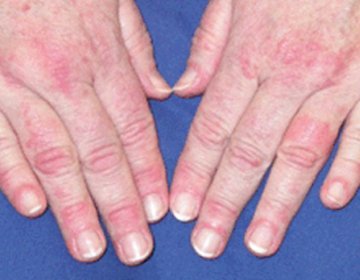
Characteristic skin features may include a rash around the eyelids, known as a heliotrope rash, and changes over the knuckles called Gottron’s papules. Some patients may also experience swallowing difficulties or lung involvement.
2. Antisynthetase Syndrome
Antisynthetase syndrome is an autoimmune condition associated with specific autoantibodies directed against aminoacyl-tRNA synthetases. It may involve muscle inflammation, interstitial lung disease, inflammatory arthritis and Raynaud’s phenomenon.
Common features can include muscle weakness, joint pain, breathing difficulties and changes in finger colour in response to cold. Some individuals develop lung involvement even when muscle symptoms are less prominent.
3. Immune-Mediated Necrotising Myopathy (IMNM)
Immune-mediated necrotising myopathy is characterised by significant muscle weakness and muscle fibre damage. Patients may experience progressive weakness, particularly in the muscles around the hips and shoulders.
Blood tests often show elevated creatine kinase (CK) levels. Some cases are associated with specific autoantibodies, including anti-SRP and anti-HMGCR antibodies.
4. Inclusion Body Myositis (IBM)
Inclusion body myositis is a slowly progressive inflammatory muscle disease that commonly affects older adults. It typically causes weakness in the finger flexor muscles and quadriceps, which are important for gripping objects, climbing stairs and standing up from a seated position.
Unlike some other inflammatory myopathies, inclusion body myositis often responds poorly to conventional immunosuppressive treatment. Management generally focuses on maintaining mobility, preventing falls and supporting everyday function.
5. Overlap Myositis
Overlap myositis refers to inflammatory muscle disease occurring alongside other connective tissue or autoimmune conditions.
It may be associated with systemic sclerosis, lupus, mixed connective tissue disease or other autoimmune disorders. Symptoms can include muscle weakness, joint inflammation, skin changes and other features depending on the associated condition.
6. Polymyositis (PM)
Polymyositis is a relatively uncommon and more narrowly defined inflammatory muscle disease. It primarily affects skeletal muscles and can cause progressive weakness, particularly in the muscles around the shoulders, upper arms, hips and thighs.
The diagnosis requires careful clinical evaluation and exclusion of other specific forms of inflammatory myopathy that can present with similar symptoms.
Symptoms of Idiopathic Inflammatory Myopathies
Symptoms of Idiopathic Inflammatory Myopathies vary depending on the specific disease type, the severity of muscle inflammation and whether other organs are involved.
Common symptoms and clinical features include:
Progressive muscle weakness
Difficulty performing activities involving the shoulders, hips, thighs and upper arms.
Difficulty climbing stairs
Weakness in the thigh and hip muscles may make climbing stairs or getting up from a chair difficult.
Difficulty lifting the arms
Muscle weakness may affect everyday activities such as reaching overhead or lifting objects.
Muscle pain and tenderness
Some individuals experience muscle discomfort, tenderness or aching.
Swallowing difficulties
Inflammation involving swallowing muscles may cause difficulty swallowing food or liquids.
Skin rashes
Certain forms, particularly dermatomyositis, may cause characteristic skin changes.
Breathing difficulties
Interstitial lung disease associated with some inflammatory myopathies may cause breathlessness or persistent dry cough.
Joint pain and stiffness
Some individuals experience inflammatory joint symptoms, particularly in antisynthetase syndrome and overlap myositis.
Raynaud's phenomenon
Fingers or toes may change colour in response to cold temperatures or emotional stress.
Fatigue
Persistent tiredness may affect daily activities and physical function.
Symptoms may develop gradually or progress over time. Not everyone experiences all these features, and the pattern of symptoms can help doctors identify the possible type of inflammatory myopathy.
What Causes Idiopathic Inflammatory Myopathies?
The exact cause of Idiopathic Inflammatory Myopathies is not fully understood. These conditions are generally associated with abnormal immune system activity, which can cause inflammation and damage to muscle tissues.
Several factors may contribute to their development:
- Immune system dysfunction: The immune system may mistakenly target healthy muscle tissues, resulting in inflammation and muscle damage.
- Genetic susceptibility: Certain genetic factors may influence an individual’s susceptibility to autoimmune and inflammatory muscle diseases.
- Environmental factors: Some environmental exposures and possible immune triggers may contribute to disease development in susceptible individuals.
- Autoimmune associations: Inflammatory myopathies may occur alongside other autoimmune or connective tissue diseases, including systemic sclerosis, lupus and mixed connective tissue disease.
- Medication-related associations: Certain medicines, including some cholesterol-lowering drugs, may be associated with specific forms of muscle disease, such as immune-mediated necrotising myopathy.
In some cases, the exact trigger cannot be identified. These conditions are not contagious, and the presence of a possible risk factor does not necessarily mean that a person will develop an inflammatory muscle disease.
Idiopathic Inflammatory Myopathies Diagnosis
Accurate diagnosis is important because several muscle, neurological and autoimmune conditions can cause similar symptoms. An Idiopathic Inflammatory Myopathies doctor may review the patient’s medical history, muscle weakness pattern, physical examination findings and relevant investigations.
Depending on the suspected condition, diagnostic investigations may include:
- Creatine Kinase (CK) Blood Test: Measures an enzyme released when muscle fibres are damaged. Elevated levels may indicate muscle injury or inflammation.
- Autoantibody Testing: Myositis-specific and myositis-associated antibodies may help identify particular disease subtypes. Examples include anti-Jo-1, anti-SRP, anti-HMGCR and other myositis-related antibodies.
- MRI of Muscles: Magnetic resonance imaging can help identify areas of muscle inflammation, swelling and structural changes.
- Electromyography (EMG): Evaluates the electrical activity of muscles and may help identify patterns associated with muscle disease.
- Muscle Biopsy: In selected cases, a small muscle tissue sample is examined to identify inflammation, muscle fibre damage or other characteristic changes.
- Lung Function Tests: May be recommended when interstitial lung disease or respiratory muscle involvement is suspected.
- High-Resolution CT (HRCT): May be used to assess possible interstitial lung disease when clinically indicated.
- Additional Organ Assessment: Further investigations may be required to evaluate swallowing, heart function or other organ involvement.
No single investigation confirms every type of inflammatory myopathy. Diagnosis is based on the combination of clinical findings, blood tests, imaging, antibody results and, when appropriate, muscle biopsy.
Idiopathic Inflammatory Myopathies Treatment
Idiopathic Inflammatory Myopathies treatment depends on the specific disease type, severity of muscle involvement, associated complications and the patient’s overall health.
Treatment aims to control inflammation, manage muscle weakness, preserve physical function and address any affected organs. Different types of inflammatory myopathy may require different management strategies.
Common treatment approaches include:
1. Corticosteroids
Corticosteroids may be prescribed to reduce muscle inflammation and control active disease in selected inflammatory myopathies. The dose and duration depend on disease severity, treatment response and individual health considerations.
2. Immunosuppressive Medicines
Medicines such as methotrexate, azathioprine or mycophenolate mofetil may be considered to manage inflammatory muscle disease and reduce reliance on long-term corticosteroids.
The choice depends on the specific disease subtype, organ involvement and treatment response.
3. Intravenous Immunoglobulin (IVIG)
Intravenous immunoglobulin may be considered in selected patients, particularly those with certain forms of dermatomyositis, severe muscle weakness or swallowing difficulties. Treatment decisions depend on the clinical presentation and response to other therapies.
4. Biologic and Targeted Therapies
Certain biologic or targeted treatments may be considered for selected patients with difficult-to-control inflammatory myopathies or associated autoimmune conditions. Their use depends on the disease subtype, clinical evidence and specialist assessment.
5. Treatment of Associated Lung Disease
Patients with interstitial lung disease associated with inflammatory myopathies may require additional investigations and specialised treatment. Management depends on the extent of lung involvement and may involve coordination between rheumatologists and respiratory specialists.
6. Physiotherapy and Rehabilitation
Individualised physiotherapy and rehabilitation programmes can help maintain muscle strength, flexibility, mobility and physical independence.
Exercise recommendations should be adjusted according to disease activity, muscle function and individual tolerance.
7. Swallowing and Nutritional Support
Patients experiencing swallowing difficulties may require assessment by appropriate specialists. Dietary modifications, swallowing rehabilitation and nutritional support may be recommended depending on the severity of symptoms.
8. Regular Monitoring and Follow-Up
Ongoing monitoring is important to evaluate disease activity, treatment response and possible medication-related side effects.
Depending on the specific condition, monitoring may include:
- Creatine kinase and other relevant muscle enzymes.
- Muscle strength and physical function assessments.
- Myositis-related antibody investigations when clinically indicated.
- Lung function tests and respiratory assessments.
- Additional imaging when required.
- Blood tests to monitor medication safety.
- Assessment of swallowing difficulties and other organ complications.
The frequency of follow-up depends on the disease subtype, severity, treatment response and individual health requirements.
Patients should not start, stop or change prescribed medication without consulting their treating doctor.
When Should You Consult an Inflammatory Muscle Disease Specialist?
Medical evaluation is important if you experience:
- Persistent or progressive muscle weakness.
- Difficulty climbing stairs or getting up from a chair.
- Difficulty lifting your arms or performing everyday activities.
- Unexplained muscle enzyme elevation in blood tests.
- Persistent muscle weakness accompanied by skin rashes.
- Difficulty swallowing food or liquids.
- Muscle weakness associated with joint pain or Raynaud’s phenomenon.
- Persistent dry cough or unexplained breathlessness alongside muscle symptoms.
Severe swallowing difficulties, choking or new breathing problems require urgent medical assessment.
Early specialist evaluation can help identify the underlying muscle condition and guide appropriate investigations and management.
Book a consultation
Divisha Arthritis and Medical Center, Basaveshwaranagar, Bengaluru
Frequently Asked Questions
Common questions about Idiopathic Inflammatory Myopathies.
What are Idiopathic Inflammatory Myopathies?
Idiopathic Inflammatory Myopathies are a group of uncommon autoimmune and inflammatory muscle diseases that cause muscle inflammation and weakness. They include dermatomyositis, antisynthetase syndrome, immune-mediated necrotising myopathy, inclusion body myositis, overlap myositis and polymyositis.
What causes Idiopathic Inflammatory Myopathies?
The exact cause is not fully understood. Abnormal immune system activity, genetic susceptibility and environmental factors may contribute to the development of these inflammatory muscle diseases.
What are the early symptoms of inflammatory myopathies?
Early symptoms may include muscle weakness, difficulty climbing stairs, difficulty lifting the arms, fatigue and muscle discomfort. Some types may also cause skin rashes, joint pain or breathing difficulties.
What are the different types of Idiopathic Inflammatory Myopathies?
The main recognised clinical types include dermatomyositis, antisynthetase syndrome, immune-mediated necrotising myopathy, inclusion body myositis, overlap myositis and polymyositis. Each has different clinical features and management requirements.
How are Idiopathic Inflammatory Myopathies diagnosed?
Diagnosis may involve a physical examination, creatine kinase blood tests, myositis-specific antibody testing, MRI, electromyography and muscle biopsy. Additional investigations may be required depending on the suspected disease type.
Is there a treatment for Idiopathic Inflammatory Myopathies?
Yes. Treatment depends on the specific type and severity of the condition. Options may include corticosteroids, immunosuppressive medicines, intravenous immunoglobulin, selected biologic therapies and physiotherapy.
Can inflammatory muscle diseases affect the lungs?
Yes. Certain inflammatory myopathies, particularly antisynthetase syndrome, may be associated with interstitial lung disease. Patients may experience persistent dry cough, breathlessness or reduced lung function and may require respiratory evaluation.
Is polymyositis the same as dermatomyositis?
No. Both are inflammatory muscle diseases, but they have different clinical and diagnostic features. Dermatomyositis is associated with characteristic skin manifestations, whereas polymyositis is a more narrowly defined muscle disease diagnosed after excluding other specific forms of myositis.
Which doctor should I consult for Idiopathic Inflammatory Myopathies?
A rheumatologist can evaluate suspected autoimmune and inflammatory muscle diseases, recommend appropriate investigations and guide treatment. Depending on the symptoms and affected organs, neurologists, dermatologists, respiratory specialists and other healthcare professionals may also be involved.
Where can I consult an Idiopathic Inflammatory Myopathies specialist in Bangalore?
You can enquire about rheumatology consultation at Divisha Arthritis and Medical Center for the evaluation and management of inflammatory muscle diseases and associated autoimmune conditions.
Why Consult Divisha Arthritis and Medical Center?
Divisha Arthritis and Medical Center provides rheumatology consultation for autoimmune and inflammatory conditions, including inflammatory muscle diseases.
Patients experiencing persistent muscle weakness, suspected autoimmune muscle inflammation or symptoms associated with connective tissue diseases can enquire about specialist assessment and appropriate investigations.
Consultation with a qualified rheumatologist can help evaluate the underlying condition, identify possible organ involvement and determine an individualised management plan.
Experience exceptional healthcare at Divisha Arthritis and Medical Center. Our experienced medical team and modern facilities focus on providing personalized care and advanced treatment approaches. Take the first step towards better health and well-being. Book your appointment today.
Divisha Arthritis and Medical Center
- 500/A, 1st G Cross, 8th Main, 4th Block, 3rd Stage, Basaveshwaranagar, Bengaluru 560079
- Mon–Sat: 9 am – 6 pm, Sunday: Closed
- 99167 70444
- divisha.center@gmail.com
Related Conditions

Scleroderma (Systemic Sclerosis)
Scleroderma is a term used to describe a group of conditions characterised by skin thickening and fibrosis (the formation of excess connective tissue).

Systemic Lupus Erythematosus (SLE)
Systemic lupus erythematosus (SLE), commonly known as lupus, is a chronic autoimmune disease in which the immune system mistakenly attacks healthy tissues.
Vasculitis
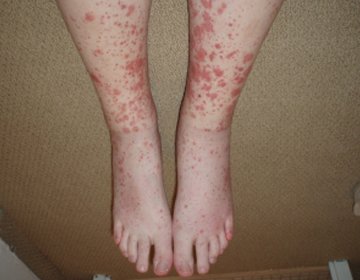
Vasculitis is a group of conditions characterised by inflammation of blood vessels.