
Osteoarthritis: Causes, Symptoms and Treatment
Osteoarthritis is a common joint condition that develops when the tissues within a joint undergo gradual changes and the protective cartilage breaks down over time. It most commonly affects the knees, hips, hands and spine. Osteoarthritis can cause joint pain, stiffness, swelling and difficulty performing everyday activities such as walking, climbing stairs or holding objects.

Overview
Although osteoarthritis is more common with increasing age, it can also affect younger adults, particularly following joint injuries or in the presence of other risk factors. Symptoms may develop gradually and vary from mild discomfort to persistent pain that affects mobility and quality of life.
Early assessment and appropriate management can help relieve symptoms, improve joint function and support an active lifestyle. At Divisha Arthritis and Medical Center, individuals experiencing persistent joint pain or stiffness can enquire about assessment and management options for osteoarthritis and related musculoskeletal conditions.
Symptoms of Osteoarthritis
Osteoarthritis symptoms often develop gradually and may become more noticeable during movement or after periods of activity. Common symptoms include:
Joint pain
Pain that may worsen during walking, climbing stairs, standing or using the affected joint.
Joint stiffness
Stiffness after waking up or remaining inactive, which often improves with movement.
Swelling
Mild swelling may develop around the affected joint.
Reduced flexibility
Difficulty bending, straightening or moving the joint through its normal range.
Crackling or grinding sensations
Some people experience clicking, creaking or grinding during joint movement.
Tenderness
The joint may feel uncomfortable when touched or pressed.
Reduced mobility
Knee or hip osteoarthritis may make walking, getting up from a chair or climbing stairs difficult.
Changes in joint shape
Advanced osteoarthritis may cause bony enlargement or changes in joint alignment.
Symptoms vary between individuals, and the severity of pain does not always correspond to the degree of changes seen on an X-ray. Sudden severe joint pain, marked swelling, redness or fever should be evaluated promptly because other conditions may be responsible.
Causes of Osteoarthritis
Osteoarthritis develops through a combination of changes in joint tissues and individual risk factors. It is not simply the result of ageing, and several factors may contribute to its development.
- Ageing: The likelihood of developing osteoarthritis increases with age as joint tissues undergo changes over time.
- Previous joint injuries: Fractures, ligament injuries and other joint damage may increase the risk of osteoarthritis later in life.
- Excess body weight: Additional mechanical stress on weight-bearing joints, particularly the knees and hips, may increase the risk of developing or worsening symptoms.
- Genetic factors: Family history can influence susceptibility to osteoarthritis.
- Repetitive joint stress: Certain occupations, sports and repeated joint-loading activities may contribute to joint damage in susceptible individuals.
- Joint alignment and structure: Differences in joint shape, alignment or biomechanics can affect how forces are distributed across a joint.
- Other joint conditions: Some inflammatory or metabolic joint disorders may contribute to secondary osteoarthritis.
Identifying the factors contributing to joint pain can help guide an appropriate management plan.
Osteoarthritis Treatment
Osteoarthritis treatment aims to relieve pain, improve movement, maintain independence and support quality of life. The appropriate approach depends on the affected joint, symptom severity, general health and functional limitations.
- Medical assessment: A doctor reviews symptoms, medical history and joint function. Imaging such as X-rays may be recommended when necessary to support diagnosis or investigate other causes of pain.
- Physiotherapy and exercise: Individualized strengthening exercises, flexibility training and low-impact activities can improve muscle support, joint function and mobility. Suitable activities may include walking, cycling, swimming or water-based exercise.
- Weight management: For individuals who are overweight, gradual weight reduction can help reduce stress on the knees and hips and may improve symptoms.
- Pain-relieving medicines: Depending on the affected joint and individual risks, a doctor may recommend topical or oral anti-inflammatory medicines or other appropriate pain relief. Medication choice requires consideration of kidney health, stomach problems, cardiovascular risks and other medicines being taken.
- Injections in selected cases: Some patients may be considered for joint injections after a clinical assessment. The expected benefits, duration of relief and potential risks vary depending on the type of injection and the affected joint.
- Lifestyle and joint protection: Maintaining regular physical activity, avoiding prolonged inactivity and modifying activities that consistently worsen symptoms may help support joint function.
- Surgical treatment: When severe osteoarthritis continues to cause substantial pain and disability despite appropriate non-surgical management, joint replacement surgery may be considered. The decision depends on symptoms, functional limitations, overall health and individual preferences.
Osteoarthritis cannot currently be reversed with a guaranteed cure, but many people can manage their symptoms effectively through an individualized combination of exercise, lifestyle measures, medication and, when appropriate, surgical care.
Frequently Asked Questions
Common questions about Osteoarthritis.
What is osteoarthritis?
Osteoarthritis is a joint condition involving changes in cartilage and other joint tissues. It commonly affects the knees, hips, hands and spine and may cause pain, stiffness and reduced mobility.
What are the early symptoms of osteoarthritis?
Early symptoms often include joint discomfort during activity, stiffness after rest, reduced flexibility and occasional swelling. Symptoms may become more noticeable over time.
What causes osteoarthritis?
Risk factors include ageing, previous joint injuries, excess body weight, genetics, joint alignment and repetitive mechanical stress. Osteoarthritis can develop through a combination of these factors.
Which doctor should I consult for osteoarthritis in Bangalore?
A qualified doctor experienced in joint conditions can assess osteoarthritis symptoms. Depending on the clinical findings, a rheumatologist, orthopaedic specialist or physiotherapist may contribute to the management plan.
What treatment is available for osteoarthritis in Bangalore?
Treatment may include physiotherapy, strengthening exercises, weight management, suitable pain-relieving medicines and selected injections. Joint replacement surgery may be considered for severe cases when other treatments have not provided adequate relief.
What is knee osteoarthritis, and how is it treated?
Knee osteoarthritis affects the tissues of the knee joint and may cause pain during walking, standing or climbing stairs. Treatment often includes strengthening exercises, weight management when appropriate and individualized pain relief. Severe cases may require surgical assessment.
What is hip osteoarthritis?
Hip osteoarthritis involves changes in the hip joint that can cause groin pain, stiffness and difficulty walking, bending or putting on footwear. Treatment depends on symptom severity and may range from exercise and medication to hip replacement surgery in selected cases.
Can exercise make osteoarthritis worse?
Appropriately selected exercise generally helps improve muscle strength, mobility and function. However, activities that cause substantial or prolonged worsening of symptoms may need to be modified with guidance from a healthcare professional.
Can osteoarthritis be cured permanently?
There is currently no established treatment that reliably reverses all osteoarthritis-related joint changes. However, treatment can help manage symptoms, improve function and support daily activities.
When should I consult an osteoarthritis specialist in Bangalore?
Seek medical advice if joint pain or stiffness persists, limits daily activities, interferes with sleep or progressively worsens. Sudden severe pain, a hot swollen joint or fever requires prompt medical assessment.
Consult Divisha Arthritis and Medical Center
Persistent joint pain and stiffness can affect mobility, independence and everyday comfort. An appropriate medical assessment can help determine whether osteoarthritis or another joint condition is responsible and identify suitable treatment options.
Divisha Arthritis and Medical Center can be contacted to enquire about consultations for joint pain, stiffness and osteoarthritis-related concerns. Individuals searching for an osteoarthritis specialist in Bangalore, a knee osteoarthritis specialist in Bangalore or a hip osteoarthritis specialist in Bangalore should confirm the availability of relevant consultations and the qualifications of the treating clinician.
Experience exceptional healthcare at Divisha Arthritis and Medical Center. Our experienced medical team and modern facilities focus on providing personalized care and advanced treatment approaches. Take the first step towards better health and well-being. Book your appointment today.
Divisha Arthritis and Medical Center
- 500/A, 1st G Cross, 8th Main, 4th Block, 3rd Stage, Basaveshwaranagar, Bengaluru 560079
- Mon–Sat: 9 am – 6 pm, Sunday: Closed
- 99167 70444
- divisha.center@gmail.com
Related Conditions

Rheumatoid Arthritis
Rheumatoid arthritis (RA) is a chronic autoimmune condition that causes inflammation in the joints.

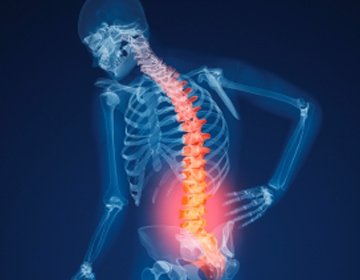
Osteoporosis
Osteoporosis is a bone disease characterized by reduced bone strength and an increased risk of fractures.