
Pemphigus and Pemphigoid: Causes, Symptoms and Treatment
Pemphigus and pemphigoid are rare autoimmune blistering diseases that affect the skin and, in some cases, the mucous membranes of the mouth, eyes and other body areas. These conditions develop when the immune system mistakenly attacks proteins that help hold skin cells together or attach the skin to underlying tissues. This can lead to blisters, erosions, sores and discomfort.
Overview
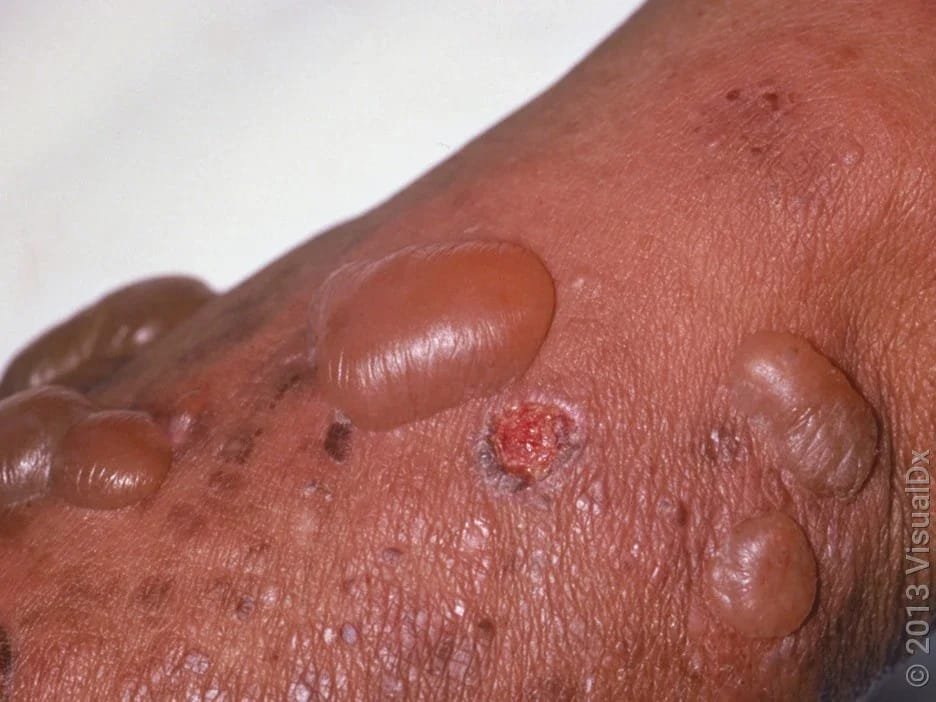
Although pemphigus and pemphigoid can have similar symptoms, they are different conditions and require accurate diagnosis. Pemphigus vulgaris commonly causes fragile blisters and painful sores, particularly inside the mouth, while bullous pemphigoid often causes firm, itchy blisters on the skin.
Early diagnosis and appropriate treatment are important to control inflammation, reduce blister formation and prevent complications such as infection and dehydration. At Divisha Arthritis and Medical Center, patients can enquire about specialist assessment for suspected autoimmune conditions and appropriate referral or coordinated care.
Symptoms of Pemphigus and Pemphigoid
Symptoms vary according to the specific condition, the areas affected and the severity of the disease.
Symptoms of Pemphigus Vulgaris
Fragile skin blisters
Blisters may rupture easily, leaving painful raw areas or erosions.
Mouth sores
Painful lesions inside the mouth may make eating, drinking and swallowing uncomfortable.
Skin erosions
Blisters may leave open, tender areas that take time to heal.
Crusted or painful lesions
Affected areas may become sore or develop crusting after blisters rupture.
Multiple affected areas
The skin and mucous membranes may be involved, depending on the individual case.
Symptoms of Bullous Pemphigoid
Intense itching
Itching may begin before visible blisters appear.
Firm blisters
Large, tense blisters may develop on the skin.
Red or inflamed skin
Blisters may occur on red, irritated or otherwise normal-looking skin.
Common affected areas
The abdomen, arms, thighs and skin folds may be involved.
Skin soreness
Ruptured blisters can leave painful erosions and increase the risk of infection.
Causes of Pemphigus and Pemphigoid
Pemphigus and pemphigoid occur when the immune system produces antibodies that mistakenly target specific proteins in the skin or mucous membranes. The exact reason this immune response develops is not always known.
- Autoimmune activity: In pemphigus, antibodies target proteins involved in adhesion between skin cells. In pemphigoid, antibodies typically target proteins that help attach the outer skin layer to the underlying tissue.
- Genetic susceptibility: Certain genetic factors may increase susceptibility to autoimmune diseases, although genetics alone does not determine whether a person will develop these conditions.
- Age: Bullous pemphigoid occurs more commonly in older adults, while pemphigus can affect adults across a wider age range.
- Medication-related factors: Some medicines have been associated with pemphigoid or other blistering disorders. A clinician should review current medications when evaluating symptoms.
- Other immune-related factors: Individual immune responses and other biological influences may contribute to disease development.
These conditions are not contagious and cannot be transmitted through ordinary physical contact. Blisters should not automatically be assumed to indicate an autoimmune disease because infections, medication reactions and other skin conditions can cause similar symptoms.
Pemphigus and Pemphigoid Treatment
Treatment aims to control the abnormal immune response, reduce new blister formation, help existing lesions heal and prevent complications. The appropriate treatment depends on the type of blistering disease, its severity, the areas affected and the patient’s overall health.
- Specialist assessment and diagnosis: Diagnosis may involve a skin examination, skin biopsy, direct immunofluorescence testing and blood tests for relevant antibodies. A dermatologist usually leads the diagnosis and treatment of autoimmune blistering skin diseases.
- Corticosteroids: Topical or systemic corticosteroids may be prescribed to reduce inflammation and control blister formation. The route and dose depend on the condition and its severity. Prolonged use requires monitoring for adverse effects.
- Immunosuppressive medicines: Medicines such as steroid-sparing immunosuppressants may be considered to control disease activity and reduce the need for long-term corticosteroids.
- Targeted therapies: Depending on the diagnosis and clinical circumstances, biologic treatments or other targeted medicines may be appropriate for selected patients, particularly when disease control is difficult.
- Wound and skin care: Gentle skin care, appropriate dressings and measures to prevent infection can support healing. Patients should avoid deliberately bursting blisters unless advised by their healthcare professional.
- Oral care and nutritional support: When pemphigus affects the mouth, pain management, hydration and suitable food choices can help maintain nutrition. Severe oral involvement may require additional specialist support.
- Monitoring and follow-up: Regular reviews help assess treatment response, monitor medication-related side effects and detect complications. The treatment plan may need adjustment as the disease improves or recurs.
At Divisha Arthritis and Medical Center, patients can enquire about assessment for associated autoimmune or inflammatory conditions and whether coordinated specialist care is appropriate. Diagnosis and skin-specific treatment should be managed by a qualified dermatologist, with other specialists involved when required.
Frequently Asked Questions
Common questions about Pemphigus and Pemphigoid.
What is the difference between pemphigus and pemphigoid?
Pemphigus usually causes fragile blisters because antibodies affect connections between skin cells. Pemphigoid generally causes firmer blisters because antibodies target structures that attach the outer skin layer to underlying tissue.
What causes pemphigus vulgaris?
Pemphigus vulgaris is an autoimmune disease in which antibodies target proteins that help skin cells stick together. The exact reason the immune system begins producing these antibodies is not fully understood.
What are the early symptoms of bullous pemphigoid?
Early symptoms may include intense itching, redness and irritated skin. Firm blisters may develop later, particularly on the trunk and limbs.
Which doctor treats pemphigus and pemphigoid in Bangalore?
A dermatologist experienced in autoimmune blistering diseases is usually the primary specialist for diagnosis and treatment. Depending on associated conditions, additional specialists may be involved in coordinated care.
How are pemphigus and pemphigoid diagnosed?
Diagnosis may involve a clinical examination, skin biopsy, direct immunofluorescence and blood tests for disease-associated antibodies. These investigations help distinguish autoimmune blistering diseases from other conditions.
Is pemphigus contagious?
No. Pemphigus is an autoimmune condition and does not spread from one person to another through touch or normal daily contact.
Can pemphigus and pemphigoid be treated?
Yes. Treatments can help control disease activity, reduce new blister formation and support healing. The response and duration of treatment vary depending on the condition and individual circumstances.
Can pemphigus affect the mouth?
Yes. Pemphigus vulgaris commonly affects the oral mucosa and may cause painful sores that interfere with eating, drinking or swallowing. Persistent mouth sores should be evaluated by a healthcare professional.
Can medicines cause pemphigoid?
Some medicines have been associated with pemphigoid. A clinician can review the patient’s medication history and determine whether a medicine may be contributing. Prescribed medication should not be stopped without medical advice.
When should I seek medical attention for blistering skin?
Seek prompt assessment for unexplained or recurring blisters. Urgent care is particularly important if blistering spreads rapidly, the skin becomes extensively damaged, fever develops, drinking becomes difficult or the eyes are affected.
Consult Divisha Arthritis and Medical Center
Persistent blisters, unexplained skin erosions and painful mouth sores can affect daily activities and may require specialist evaluation. Early diagnosis is important to identify the underlying condition and establish a suitable treatment plan.
Divisha Arthritis and Medical Center can be contacted to enquire about assessment for associated autoimmune conditions and coordinated specialist care. Individuals searching for a pemphigus specialist in Bangalore, a pemphigus vulgaris specialist in Bangalore, a bullous pemphigoid specialist in Bangalore or an autoimmune blistering disease specialist should confirm the availability of relevant services and the qualifications of the treating clinician.
Experience exceptional healthcare at Divisha Arthritis and Medical Center. Our experienced medical team and modern facilities focus on providing personalized care and advanced treatment approaches. Take the first step towards better health and well-being. Book your appointment today.
Divisha Arthritis and Medical Center
- 500/A, 1st G Cross, 8th Main, 4th Block, 3rd Stage, Basaveshwaranagar, Bengaluru 560079
- Mon–Sat: 9 am – 6 pm, Sunday: Closed
- 99167 70444
- divisha.center@gmail.com
Related Conditions

Systemic Lupus Erythematosus (SLE)
Systemic lupus erythematosus (SLE), commonly known as lupus, is a chronic autoimmune disease in which the immune system mistakenly attacks healthy tissues.

Vasculitis
Vasculitis is a group of conditions characterised by inflammation of blood vessels.

Scleroderma (Systemic Sclerosis)
Scleroderma is a term used to describe a group of conditions characterised by skin thickening and fibrosis (the formation of excess connective tissue).