
Autoimmune Uveitis: Causes, Symptoms, Diagnosis and Treatment
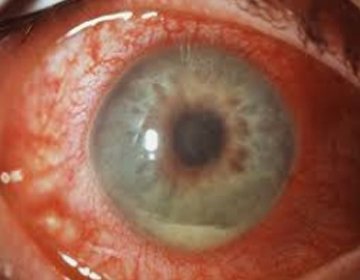
Autoimmune uveitis is a non-infectious inflammatory condition that affects the middle layer of the eye, known as the uvea. It may occur when the immune system mistakenly attacks healthy eye tissues, causing inflammation that can affect vision. In some cases, uveitis is associated with systemic autoimmune or inflammatory diseases such as ankylosing spondylitis, lupus, sarcoidosis and Behçet’s disease.
Overview
However, not all cases of uveitis are autoimmune. Eye inflammation can also develop due to infections or other underlying causes. Identifying the cause is important because treatment approaches differ depending on the type of uveitis.
Early diagnosis and appropriate treatment are important to control inflammation and reduce the risk of complications. People experiencing recurrent eye redness, pain, light sensitivity or blurred vision should seek prompt evaluation by an ophthalmologist. When an underlying inflammatory or autoimmune condition is suspected, a rheumatologist may also be involved in the assessment and ongoing management.
At Divisha Arthritis and Medical Center, patients seeking information about autoimmune-related inflammatory conditions can enquire about rheumatology consultation and assessment for possible systemic disease associated with uveitis.
Symptoms of Autoimmune Uveitis
Symptoms can develop suddenly or gradually, depending on the part of the eye affected and the severity of inflammation. Common symptoms include:
Redness in one or both eyes
Eye pain or discomfort
Sensitivity to bright light
Blurred or reduced vision
Floaters, appearing as small spots or moving shapes in the field of vision.
Flashes of light in some cases
Watery eyes or difficulty keeping the affected eye comfortable
Some forms of uveitis may cause few noticeable symptoms despite ongoing inflammation. Untreated or inadequately managed uveitis can lead to complications, including cataracts, glaucoma, retinal damage and permanent vision loss.
Sudden vision changes, significant eye pain or new flashes and floaters require prompt ophthalmological assessment.
Causes of Autoimmune Uveitis
Autoimmune uveitis may develop due to an abnormal immune response, although the exact cause is not always identified. Several conditions and factors may be associated with non-infectious uveitis:
- Autoimmune and inflammatory diseases: Conditions such as lupus, sarcoidosis and Behçet’s disease can be associated with inflammation inside the eye.
- Ankylosing spondylitis: This inflammatory condition affecting the spine is associated with recurrent episodes of anterior uveitis in some patients.
- Psoriatic arthritis and inflammatory bowel disease: These conditions may be associated with inflammation affecting the eyes.
- Immune system dysfunction: An inappropriate immune response may cause inflammation in healthy eye tissues.
- Genetic susceptibility: Certain genetic factors, including HLA-B27, are associated with some forms of non-infectious uveitis.
- Unknown causes: In many cases, the exact reason for the inflammation remains unclear.
Infectious and Non-Infectious Causes of Uveitis
Uveitis is broadly classified according to its underlying cause:
- Infectious uveitis: Certain viral, bacterial, fungal or parasitic infections can cause inflammation inside the eye. Examples include herpes-related infections, tuberculosis and toxoplasmosis.
- Non-infectious uveitis: This may be associated with autoimmune or systemic inflammatory conditions, although some cases occur without an identifiable underlying disease.
It is important to distinguish infectious uveitis from non-infectious autoimmune uveitis because treatment depends on the underlying cause. Immunosuppressive medicines may be inappropriate or harmful in certain untreated infections.
Autoimmune Uveitis Diagnosis
Accurate diagnosis is important to identify the location, severity and underlying cause of uveitis. An ophthalmologist generally performs a detailed eye examination and may recommend additional investigations depending on the clinical findings.
Diagnostic evaluation may include:
- Slit-lamp examination: Helps assess inflammation in the front part of the eye.
- Dilated eye examination: Allows the ophthalmologist to examine the retina and other structures at the back of the eye.
- Blood tests: Selected investigations may help identify infections or associated autoimmune and inflammatory conditions.
- HLA-B27 testing: May be recommended when an associated inflammatory condition, such as ankylosing spondylitis, is suspected.
- Imaging investigations: Optical coherence tomography (OCT) and other imaging techniques may help identify retinal swelling or other complications.
- Infection screening: Tests for conditions such as tuberculosis, syphilis or other infections may be recommended based on symptoms, medical history and clinical findings.
Not every patient requires all these investigations. Testing is individualised according to the type of uveitis, clinical presentation and suspected underlying cause.
A rheumatologist may also evaluate patients when symptoms or investigation findings suggest an associated systemic autoimmune or inflammatory disease.
Autoimmune Uveitis Treatment
Autoimmune uveitis treatment aims to control inflammation, preserve vision, prevent recurrences and manage any associated systemic inflammatory disease. Treatment depends on the location and severity of inflammation, the underlying cause and the patient’s overall health.
Importantly, infectious causes must be considered and appropriately evaluated before immunosuppressive treatment is initiated. Treatment for infectious uveitis may require specific antimicrobial medicines rather than immunosuppression alone.
Common treatment approaches for non-infectious autoimmune uveitis include:
1. Eye Drops
An ophthalmologist may prescribe corticosteroid eye drops to control inflammation and other drops to relieve pain or reduce discomfort. These medicines require appropriate supervision and monitoring of eye pressure.
2. Oral or Injectable Medicines
More severe or persistent inflammation may require corticosteroids or other medicines administered by different routes, depending on the clinical situation.
3. Immunosuppressive Treatment
For recurrent or chronic non-infectious uveitis, specialists may consider medicines that regulate immune system activity when clinically indicated. Treatment selection depends on disease severity, associated conditions and individual health considerations.
4. Biologic Therapies
Certain biologic medicines may be considered for selected patients with persistent inflammatory disease or associated systemic conditions. The choice depends on the diagnosis, previous treatment response and individual risks.
5. Management of Underlying Conditions
If uveitis is associated with ankylosing spondylitis, lupus or another inflammatory disease, coordinated care between an ophthalmologist and a rheumatologist may help address both eye inflammation and the underlying condition.
6. Regular Monitoring
Follow-up eye examinations are essential to assess inflammation, monitor vision and detect treatment-related complications such as elevated eye pressure or cataracts. Patients receiving systemic treatment may also require appropriate blood tests and clinical monitoring.
Patients should not start, stop or change steroid eye drops or immunosuppressive medicines without medical advice.
When Should You Consult a Specialist?
Medical evaluation is important if you experience:
- Recurrent eye redness or inflammation.
- Persistent eye pain or light sensitivity.
- Blurred or reduced vision.
- Repeated episodes of uveitis.
- Eye inflammation associated with joint pain or back stiffness.
- A known autoimmune condition accompanied by new eye symptoms.
Sudden vision loss or severe eye pain requires urgent ophthalmological assessment. Early identification of the underlying cause can help guide appropriate treatment and reduce the risk of complications.
Book a consultation
Divisha Arthritis and Medical Center, Basaveshwaranagar, Bengaluru
Frequently Asked Questions
Common questions about Autoimmune Uveitis.
What is autoimmune uveitis?
Autoimmune uveitis is inflammation inside the eye associated with an abnormal immune response against healthy tissues. It may occur independently or alongside a systemic inflammatory disease.
What are the common symptoms of autoimmune uveitis?
Common symptoms include eye redness, pain, sensitivity to light, blurred vision and floaters. Some types may have subtle symptoms, so an eye examination is important when uveitis is suspected.
Which autoimmune diseases are associated with uveitis?
Uveitis may be associated with ankylosing spondylitis, lupus, Behçet’s disease, sarcoidosis, psoriatic arthritis and inflammatory bowel disease, among other conditions.
Which doctor should I consult for autoimmune uveitis in Bangalore?
An ophthalmologist, preferably one experienced in uveitis, should assess the eye inflammation. A rheumatologist may also be needed when an autoimmune or systemic inflammatory condition is suspected or confirmed. Patients searching for an autoimmune uveitis specialist in Bangalore should consider whether coordinated eye and rheumatology care is required.
Can a rheumatologist treat uveitis?
A rheumatologist evaluates and manages associated systemic inflammatory diseases and may help guide systemic immunosuppressive treatment in collaboration with an ophthalmologist. Eye-specific diagnosis and treatment should be supervised by an appropriate eye specialist.
How is autoimmune uveitis diagnosed?
Diagnosis usually involves a comprehensive eye examination, medical history and assessment of symptoms. Depending on the findings, blood tests, imaging or other investigations may be needed to identify an underlying disease or exclude infection.
What treatment is available for autoimmune uveitis?
Treatment may include corticosteroid eye drops, other eye medicines, oral or injectable medicines, immunosuppressive drugs or biologic therapies in selected cases. The treatment plan depends on the cause and severity of inflammation.
Can autoimmune uveitis cause permanent vision loss?
Yes. Severe or untreated uveitis can damage eye structures and cause permanent vision loss. Prompt diagnosis, appropriate treatment and regular monitoring help reduce this risk.
Can autoimmune uveitis come back after treatment?
Yes. Some forms of uveitis can recur or become chronic. Regular follow-up and appropriate management of any associated inflammatory disease can help monitor and control recurrent inflammation.
When should I seek urgent medical attention for uveitis?
Seek urgent eye assessment if you develop a painful red eye, significant light sensitivity, new floaters or blurred vision. Sudden vision loss requires immediate emergency assessment.
Why Consult Divisha Arthritis and Medical Center?
Divisha Arthritis and Medical Center provides rheumatology consultation for autoimmune and inflammatory conditions that may affect different parts of the body, including conditions associated with non-infectious uveitis.
Patients with recurrent eye inflammation and suspected underlying autoimmune or inflammatory diseases can enquire about rheumatological assessment and appropriate investigations.
An ophthalmologist remains essential for diagnosing and treating eye inflammation, while a rheumatologist may help evaluate and manage associated systemic conditions. Coordinated specialist care is important when uveitis occurs alongside an autoimmune disease.
Consult Divisha Arthritis and Medical Center
If you have recurrent uveitis or have been diagnosed with an inflammatory or autoimmune condition, understanding the possible connection between eye inflammation and systemic disease is an important part of your care.
Divisha Arthritis and Medical Center can be contacted to enquire about rheumatology assessment for suspected autoimmune and inflammatory conditions associated with uveitis. Patients looking for a uveitis and autoimmune disease specialist, an inflammatory eye disease specialist or a rheumatologist for uveitis in Bangalore should ensure that their care includes appropriate ophthalmology evaluation.
Experience exceptional healthcare at Divisha Arthritis and Medical Center. Our experienced medical team and modern facilities focus on providing personalized care and advanced treatment approaches. Take the first step towards better health and well-being. Book your appointment today.
Divisha Arthritis and Medical Center
- 500/A, 1st G Cross, 8th Main, 4th Block, 3rd Stage, Basaveshwaranagar, Bengaluru 560079
- Mon–Sat: 9 am – 6 pm, Sunday: Closed
- 99167 70444
- divisha.center@gmail.com
Related Conditions
Ocular Inflammation
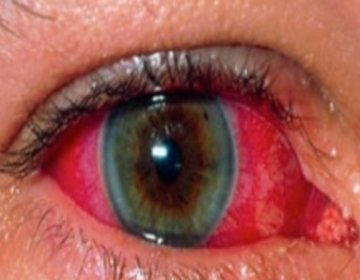
Ocular inflammation refers to inflammation affecting one or more structures of the eye.

Axial Spondyloarthritis
Axial spondyloarthritis (axSpA) is an inflammatory disease that mainly affects the sacroiliac joints and spine.
Vasculitis
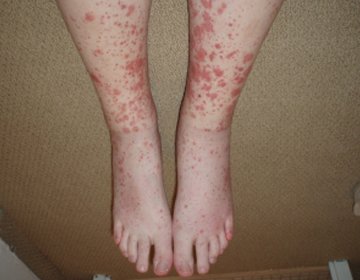
Vasculitis is a group of conditions characterised by inflammation of blood vessels.