
Osteoporosis: Causes, Symptoms, Diagnosis and Treatment in Bangalore
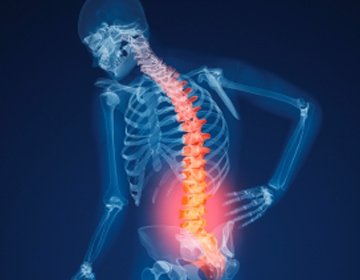
Osteoporosis is a bone disease characterized by reduced bone strength and an increased risk of fractures. It develops when bones lose density and structural strength, making them more vulnerable to breaking even after a minor fall or injury. Osteoporosis commonly affects the spine, hips and wrists, although any bone can be affected.
Overview
The condition often develops gradually without noticeable symptoms. Many people discover they have osteoporosis only after experiencing a fracture. Ageing, hormonal changes, certain medical conditions, nutritional deficiencies and long-term use of some medications can increase the risk.
Early assessment and appropriate management can help identify bone loss, reduce fracture risk and support long-term mobility. At Divisha Arthritis and Medical Center, individuals concerned about bone weakness, previous fractures or osteoporosis risk factors can enquire about specialist assessment and suitable diagnostic options.
Symptoms of Osteoporosis
Osteoporosis is often called a silent bone disease because bone loss itself usually does not cause pain or other noticeable symptoms. However, fractures and changes in spinal structure may lead to certain signs.
Fragility fractures
A bone may break following a minor fall or an injury that would not usually cause a fracture in healthy bone.
Back pain
Vertebral compression fractures can cause sudden or persistent back pain.
Loss of height
Compression fractures in the spine may result in gradual height loss.
Stooped posture
Multiple spinal fractures can contribute to a forward-bending posture.
Reduced mobility
Fractures and associated pain may make walking and everyday activities difficult.
Fractures of the hip or wrist
These may occur after a fall and can significantly affect independence and recovery.
Osteoporosis may be present even when a person feels completely well. People with significant risk factors should discuss appropriate screening with a healthcare professional rather than waiting for symptoms to appear.
Causes of Osteoporosis
Osteoporosis develops when bone breakdown occurs faster than new bone formation, resulting in reduced bone density and strength. Several factors may contribute to its development.
- Ageing: Bone density naturally changes with age, and bone loss may accelerate in later life.
- Hormonal changes: Reduced oestrogen after menopause can increase bone loss. Low testosterone and other hormonal disorders may also affect bone health.
- Calcium and vitamin D deficiency: Inadequate calcium intake or insufficient vitamin D can affect bone mineralization.
- Family history: A family history of osteoporosis or fragility fractures, particularly hip fractures in close relatives, may increase an individual’s risk.
- Physical inactivity: Limited weight-bearing activity and prolonged immobility can contribute to reduced bone strength.
- Medical conditions: Thyroid and parathyroid disorders, malabsorption conditions, chronic kidney or liver disease and certain inflammatory diseases may affect bone health.
- Long-term medication use: Prolonged use of glucocorticoids (corticosteroids) and certain other medicines can increase the risk of osteoporosis.
- Lifestyle factors: Smoking, excessive alcohol consumption and inadequate nutrition may negatively affect bone strength.
- Previous fractures: A fracture following a minor fall or relatively low-impact injury may indicate an increased risk of future fractures.
Secondary Causes of Osteoporosis
Osteoporosis does not always develop because of ageing or menopause. It can also occur as a result of another medical condition or medication. These are known as secondary causes of osteoporosis.
Important secondary causes include:
- Endocrine disorders: Conditions involving the thyroid, parathyroid or adrenal glands, as well as certain hormonal disorders, can affect bone metabolism.
- Malabsorption conditions: Coeliac disease, inflammatory bowel disease and other conditions that interfere with nutrient absorption may contribute to bone loss.
- Chronic inflammatory diseases: Certain autoimmune and inflammatory conditions can increase bone loss, particularly when inflammation is persistent.
- Chronic kidney or liver disease: These conditions may interfere with calcium, vitamin D and normal bone metabolism.
- Certain medications: Long-term glucocorticoid use and some other medicines may reduce bone strength.
- Nutritional deficiencies: Inadequate calcium, vitamin D, protein and other essential nutrients may negatively affect bone health.
Identifying and addressing underlying causes is an important part of osteoporosis management.
Osteoporosis Diagnosis and Fracture-Risk Assessment
Osteoporosis assessment involves reviewing medical history, identifying risk factors, evaluating previous fractures and conducting appropriate investigations.
1. Bone Mineral Density Testing
A dual-energy X-ray absorptiometry scan, commonly called a DXA or DEXA scan, measures bone mineral density, usually at the hip and spine. It is frequently used to assess bone health and diagnose osteoporosis.
For postmenopausal women and men aged 50 years or older, a T-score of -2.5 or lower at an appropriate measurement site is generally used as a diagnostic threshold for osteoporosis. Results should be interpreted in the context of age, medical history and fracture history.
2. Fracture-Risk Assessment
Assessing fracture risk involves more than reviewing a DXA scan result. A healthcare professional may consider several factors, including:
- Age: Fracture risk generally increases with advancing age.
- Previous fragility fracture: A history of fractures following low-impact injuries can indicate increased risk.
- Family history of hip fracture: A hip fracture in a parent may increase an individual’s risk.
- Glucocorticoid exposure: Long-term use of corticosteroid medicines can contribute to bone loss.
- Falls: Recurrent falls, balance difficulties and mobility problems increase the likelihood of fractures.
- Smoking: Tobacco use is associated with reduced bone health and increased fracture risk.
- Alcohol consumption: Excessive alcohol intake may negatively affect bone strength and increase fall risk.
- Low body weight: Lower body weight may be associated with reduced bone density and increased fracture risk.
- Secondary causes: Endocrine disorders, malabsorption, chronic inflammatory diseases, kidney or liver disease, nutritional deficiencies and certain medications may contribute to osteoporosis.
A fracture-risk assessment tool such as FRAX may also be used, where appropriate, to estimate the probability of major osteoporotic and hip fractures.
3. Importance of Previous Hip or Vertebral Fractures
A previous low-trauma hip or vertebral fracture is an important indicator of high fracture risk. Such a fracture may establish a diagnosis of osteoporosis or indicate the need for osteoporosis treatment, even when the DXA T-score is not within the osteoporotic range.
This is because fracture history provides important information about bone fragility that may not be fully reflected by bone density measurements alone. Clinical assessment should therefore consider both DXA results and previous fractures when determining an appropriate management plan.
4. Blood Tests and Additional Investigations
Blood and urine investigations may be recommended to identify nutritional deficiencies, assess bone metabolism and investigate possible secondary causes of osteoporosis. Depending on the clinical situation, tests may include calcium, vitamin D, kidney and liver function, thyroid function and other relevant investigations.
Identifying the underlying cause helps guide treatment and determine whether additional evaluation is required.
Osteoporosis Treatment
Osteoporosis treatment aims to strengthen bones where possible, reduce the risk of fractures, preserve mobility and prevent further bone loss. The treatment plan depends on bone density results, fracture history, age, medical conditions and individual fracture risk.
1. Bone Density Assessment
A DXA scan helps assess bone mineral density and monitor changes over time. A doctor can advise whether testing is appropriate and when repeat assessment may be needed.
2. Calcium and Vitamin D
Adequate calcium and vitamin D support bone health. Dietary intake, supplements and treatment of a confirmed deficiency should be tailored to individual requirements.
3. Osteoporosis Medicines
Depending on fracture risk and clinical findings, a doctor may prescribe medicines such as bisphosphonates or other bone-protective treatments. Some patients at very high fracture risk may be considered for medicines that stimulate bone formation.
Medication selection depends on individual health conditions, kidney function, fracture history and potential side effects.
4. Weight-Bearing and Strengthening Exercises
Suitable activities can help maintain bone strength, muscle function and balance. Exercise should be adapted for people with severe osteoporosis or previous fractures, preferably with professional guidance where needed.
5. Fall Prevention
Improving home safety, wearing suitable footwear, reviewing medicines that may cause dizziness and addressing vision or balance problems can help reduce the risk of falls.
6. Treatment of Underlying Conditions
Hormonal disorders, nutritional deficiencies, malabsorption conditions and other medical problems contributing to bone loss may require specific treatment. Managing these conditions is an important part of reducing further bone loss.
7. Regular Monitoring
Follow-up appointments help assess treatment response, medication safety, changes in fracture risk and the need for repeat bone density testing.
Osteoporosis treatment is individualized. Some medicines require specific precautions or follow-up after discontinuation, so patients should not stop or change prescribed treatment without medical guidance.
Frequently Asked Questions
Common questions about Osteoporosis.
What is osteoporosis?
Osteoporosis is a bone disease in which reduced bone strength increases the risk of fractures. It often develops without symptoms until a fracture occurs.
What are the early symptoms of osteoporosis?
Osteoporosis usually has no early symptoms. A fracture after a minor fall, unexplained height loss or back pain caused by a spinal compression fracture may be the first indication.
What causes osteoporosis?
Common risk factors include ageing, menopause, hormonal disorders, inadequate calcium or vitamin D, family history, physical inactivity, smoking and long-term corticosteroid use.
How is osteoporosis diagnosed?
Diagnosis commonly involves a medical assessment, fracture-risk evaluation and a DXA scan when indicated. Blood tests may be recommended to investigate possible underlying causes of bone loss.
Who should consider osteoporosis assessment in Bangalore?
Assessment may be appropriate for postmenopausal women, older adults, people with previous fragility fractures, individuals taking long-term corticosteroids and those with significant risk factors. A doctor can advise on the timing of testing.
Which doctor treats osteoporosis?
Depending on the underlying cause, osteoporosis may be managed by a rheumatologist, endocrinologist, orthopaedic specialist or another qualified clinician experienced in bone health.
Is osteoporosis treatable?
Yes. Treatment can reduce fracture risk and may improve bone density in some patients. Management may include medicines, adequate nutrition, exercise and fall prevention.
Can osteoporosis be prevented?
Not every case can be prevented, but adequate nutrition, regular weight-bearing activity, avoiding smoking, limiting alcohol and addressing medical risk factors can help support bone health.
What is the difference between osteoporosis and osteoarthritis?
Osteoporosis reduces bone strength and increases fracture risk. Osteoarthritis affects joint tissues and commonly causes pain, stiffness and reduced joint function. Both conditions can occur in the same person.
How can I find an osteoporosis specialist in Bangalore?
Look for a qualified clinician experienced in bone health, fracture-risk assessment and osteoporosis management. Ask whether bone density testing can be arranged and whether the clinician provides individualized treatment and follow-up.
Consult Divisha Arthritis and Medical Center
Osteoporosis can affect bone strength long before noticeable symptoms appear. If you have risk factors for bone loss, a previous fracture or concerns about declining bone density, a medical assessment can help determine whether further investigation or treatment is needed.
Divisha Arthritis and Medical Center can be contacted to enquire about consultations for osteoporosis risk assessment and related musculoskeletal conditions. Individuals searching for an osteoporosis specialist in Bangalore, an osteoporosis doctor in Bangalore or a bone density specialist in Bangalore should confirm the availability of relevant consultations and diagnostic services.
Experience exceptional healthcare at Divisha Arthritis and Medical Center. Our experienced medical team and modern facilities focus on providing personalized care and advanced treatment approaches. Take the first step towards better health and well-being. Book your appointment today.
Divisha Arthritis and Medical Center
- 500/A, 1st G Cross, 8th Main, 4th Block, 3rd Stage, Basaveshwaranagar, Bengaluru 560079
- Mon–Sat: 9 am – 6 pm, Sunday: Closed
- 99167 70444
- divisha.center@gmail.com
Related Conditions
Bone Health
Osteoporosis is a bone disease characterized by reduced bone strength and an increased risk of fractures.

Osteoarthritis
Osteoarthritis is a common joint condition that develops when the tissues within a joint undergo gradual changes and the protective cartilage breaks down over time.

Rheumatoid Arthritis
Rheumatoid arthritis (RA) is a chronic autoimmune condition that causes inflammation in the joints.