
Ocular Inflammation: Causes, Symptoms and Treatment
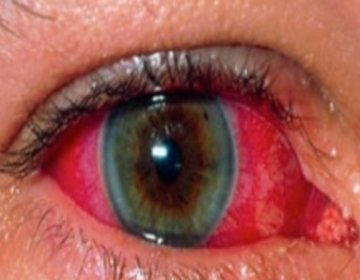
Ocular inflammation refers to inflammation affecting one or more structures of the eye. It can involve the surface of the eye, the middle layer known as the uvea, or other internal eye tissues. Depending on the affected structure and underlying cause, ocular inflammation may lead to redness, pain, swelling, light sensitivity or changes in vision.
Overview
In some cases, eye inflammation is associated with autoimmune or systemic inflammatory conditions such as rheumatoid arthritis, lupus, ankylosing spondylitis, sarcoidosis and Behçet’s disease. However, infections, allergies, injuries and other eye conditions can also cause inflammation.
Early evaluation is important because certain inflammatory eye conditions can cause complications and permanent vision loss if not treated appropriately. At Divisha Arthritis and Medical Center, patients can enquire about rheumatology assessment when eye inflammation may be associated with an underlying autoimmune or inflammatory condition. Eye-specific diagnosis and treatment should be provided by a qualified ophthalmologist.
Symptoms of Ocular Inflammation
Symptoms depend on the part of the eye affected and the severity of inflammation. Common symptoms include:
Eye redness
Redness may occur on the surface of the eye or around the affected area.
Eye pain
Discomfort or pain may indicate inflammation involving deeper eye structures.
Light sensitivity
Bright light may cause discomfort or pain.
Blurred vision
Inflammation inside the eye can affect visual clarity.
Excessive watering
The eyes may produce more tears than usual.
Floaters
Small spots, threads or shapes may appear to move across the field of vision.
Swelling
Inflammation may affect the eyelids or tissues around the eye.
Reduced vision
More serious inflammation may cause significant changes in eyesight.
Some inflammatory eye diseases cause few symptoms during their early stages. Therefore, symptoms should be assessed according to their severity and duration rather than relying on redness alone.
Causes of Ocular Inflammation
Ocular inflammation can develop for several reasons. Identifying the underlying cause helps determine the appropriate treatment.
- Autoimmune conditions: Diseases such as lupus, rheumatoid arthritis and Behçet’s disease may be associated with inflammation affecting different structures of the eye.
- Ankylosing spondylitis: This inflammatory condition affecting the spine is associated with episodes of anterior uveitis in some patients.
- Infections: Certain viral, bacterial, fungal or parasitic infections can cause inflammation in or around the eye.
- Allergic reactions: Exposure to allergens may trigger inflammation of the conjunctiva, causing itching, redness and watering.
- Eye injuries or irritation: Trauma, foreign bodies, chemical exposure and some procedures may lead to ocular inflammation.
- Other inflammatory diseases: Conditions such as sarcoidosis and inflammatory bowel disease may be associated with inflammatory eye disorders.
- Unknown causes: In some cases, the cause of inflammation cannot be identified despite appropriate investigation.
Not every case of eye inflammation is autoimmune. A proper examination is essential to distinguish between infectious, allergic, traumatic and immune-mediated causes.
Ocular Inflammation Treatment
Treatment for ocular inflammation depends on the affected eye structure, the underlying cause, the severity of inflammation and the patient’s overall health. The main goals are to control inflammation, preserve vision, prevent complications and manage any associated systemic disease.
- Ophthalmology assessment: An ophthalmologist examines the eye to identify the location and severity of inflammation. Depending on the findings, further investigations may be required to identify an infection or associated systemic condition.
- Anti-inflammatory eye drops: Depending on the diagnosis, an ophthalmologist may prescribe corticosteroid eye drops or other topical medicines. These treatments require appropriate supervision because some can increase eye pressure or worsen certain infections.
- Treatment of infection: If inflammation is caused by an infection, treatment may involve appropriate antimicrobial medicines. The choice depends on the specific organism and affected eye structures.
- Oral or injectable medicines: More severe or deeper inflammation may require systemic medicines prescribed by an eye specialist, sometimes in collaboration with other specialists.
- Immunosuppressive treatment: For selected non-infectious inflammatory eye diseases, medicines that regulate immune activity may be considered when clinically indicated.
- Biologic therapies: Some patients with persistent or recurrent inflammation associated with autoimmune disease may benefit from targeted therapies. The choice depends on the diagnosis, previous treatment response and individual risks.
- Coordinated rheumatology care: When ocular inflammation is associated with rheumatoid arthritis, lupus, ankylosing spondylitis or another systemic inflammatory disease, a rheumatologist may help assess and manage the underlying condition in coordination with the ophthalmologist.
- Regular monitoring: Follow-up appointments help assess the response to treatment, monitor vision and identify possible complications, including elevated eye pressure, cataracts or retinal damage.
Patients should not self-medicate with steroid eye drops or stop prescribed treatment without medical advice. The correct treatment depends on the cause, and steroids may be harmful in some untreated eye infections.
Frequently Asked Questions
Common questions about Ocular Inflammation.
What is ocular inflammation?
Ocular inflammation is inflammation affecting one or more structures of the eye. It may involve the surface of the eye or deeper structures and can result from infections, allergies, injuries or inflammatory diseases.
What are the common symptoms of ocular inflammation?
Symptoms may include redness, pain, watering, light sensitivity, blurred vision, floaters and swelling. The symptoms vary depending on the location and cause of inflammation.
Can autoimmune diseases cause eye inflammation?
Yes. Conditions such as lupus, rheumatoid arthritis, ankylosing spondylitis, sarcoidosis and Behçet’s disease can be associated with certain inflammatory eye conditions.
Which doctor should I consult for ocular inflammation in Bangalore?
An ophthalmologist should assess the eye inflammation. If an autoimmune or systemic inflammatory disease is suspected, a rheumatologist may also be involved. Patients searching for an ocular inflammation specialist in Bangalore should confirm the clinician’s relevant expertise and available services.
What is the connection between ocular inflammation and rheumatology?
Some systemic inflammatory diseases can affect both the joints and the eyes. Rheumatologists assess and manage the underlying systemic condition, while ophthalmologists diagnose and treat the eye disease. Coordinated care may be important in selected cases.
How is ocular inflammation diagnosed?
Diagnosis may involve an eye examination, vision testing and assessment of the affected eye structures. Blood tests, imaging or other investigations may be recommended when an underlying infection or systemic inflammatory disease is suspected.
Is ocular inflammation treatable?
Many forms of ocular inflammation can be treated, but the outcome depends on the cause, severity and timing of treatment. Prompt evaluation helps reduce the risk of complications.
Can ocular inflammation cause permanent vision loss?
Yes. Certain forms of inflammation, particularly those affecting deeper eye structures, can cause complications and permanent vision loss if not treated appropriately. Urgent assessment is important when pain or visual changes occur.
Can ocular inflammation recur?
Yes. Some inflammatory eye diseases can recur, particularly when associated with chronic autoimmune or inflammatory conditions. Follow-up care helps monitor recurrence and guide treatment.
How can I find an autoimmune eye disease specialist in Bangalore?
Look for an ophthalmologist experienced in inflammatory eye conditions and ask whether coordinated care with a rheumatologist is available when an autoimmune disease is suspected. Confirm the clinician’s qualifications and the services provided before booking an appointment.
Consult Divisha Arthritis and Medical Center
Eye inflammation can sometimes be an early sign of a systemic inflammatory condition. If you have recurrent eye inflammation alongside joint pain, back stiffness or other unexplained symptoms, a medical assessment may help determine whether further rheumatology evaluation is appropriate.
Divisha Arthritis and Medical Center can be contacted to enquire about rheumatology consultations for suspected autoimmune and inflammatory conditions associated with eye disease. Patients searching for an ocular inflammation specialist in Bangalore, an autoimmune eye disease specialist or an inflammatory eye disease clinic should confirm the availability of relevant services and ensure that eye-specific care is provided by a qualified ophthalmologist.
Experience exceptional healthcare at Divisha Arthritis and Medical Center. Our experienced medical team and modern facilities focus on providing personalized care and advanced treatment approaches. Take the first step towards better health and well-being. Book your appointment today.
Divisha Arthritis and Medical Center
- 500/A, 1st G Cross, 8th Main, 4th Block, 3rd Stage, Basaveshwaranagar, Bengaluru 560079
- Mon–Sat: 9 am – 6 pm, Sunday: Closed
- 99167 70444
- divisha.center@gmail.com
Related Conditions
Autoimmune Uveitis
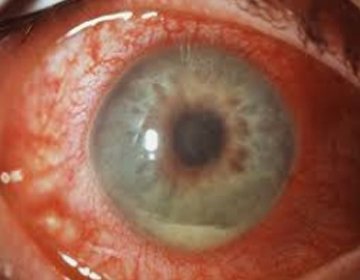
Autoimmune uveitis is a non-infectious inflammatory condition that affects the middle layer of the eye, known as the uvea.

Axial Spondyloarthritis
Axial spondyloarthritis (axSpA) is an inflammatory disease that mainly affects the sacroiliac joints and spine.

Systemic Lupus Erythematosus (SLE)
Systemic lupus erythematosus (SLE), commonly known as lupus, is a chronic autoimmune disease in which the immune system mistakenly attacks healthy tissues.